


‘I was called a liar for 40 years’: The mystery of Highlander’s missing immortal
‘I was called a liar for 40 years’: The mystery of Highlander’s missing immortal

Jonathan MelvilleMon, August 17, 2026 at 1:00 PM UTC
0
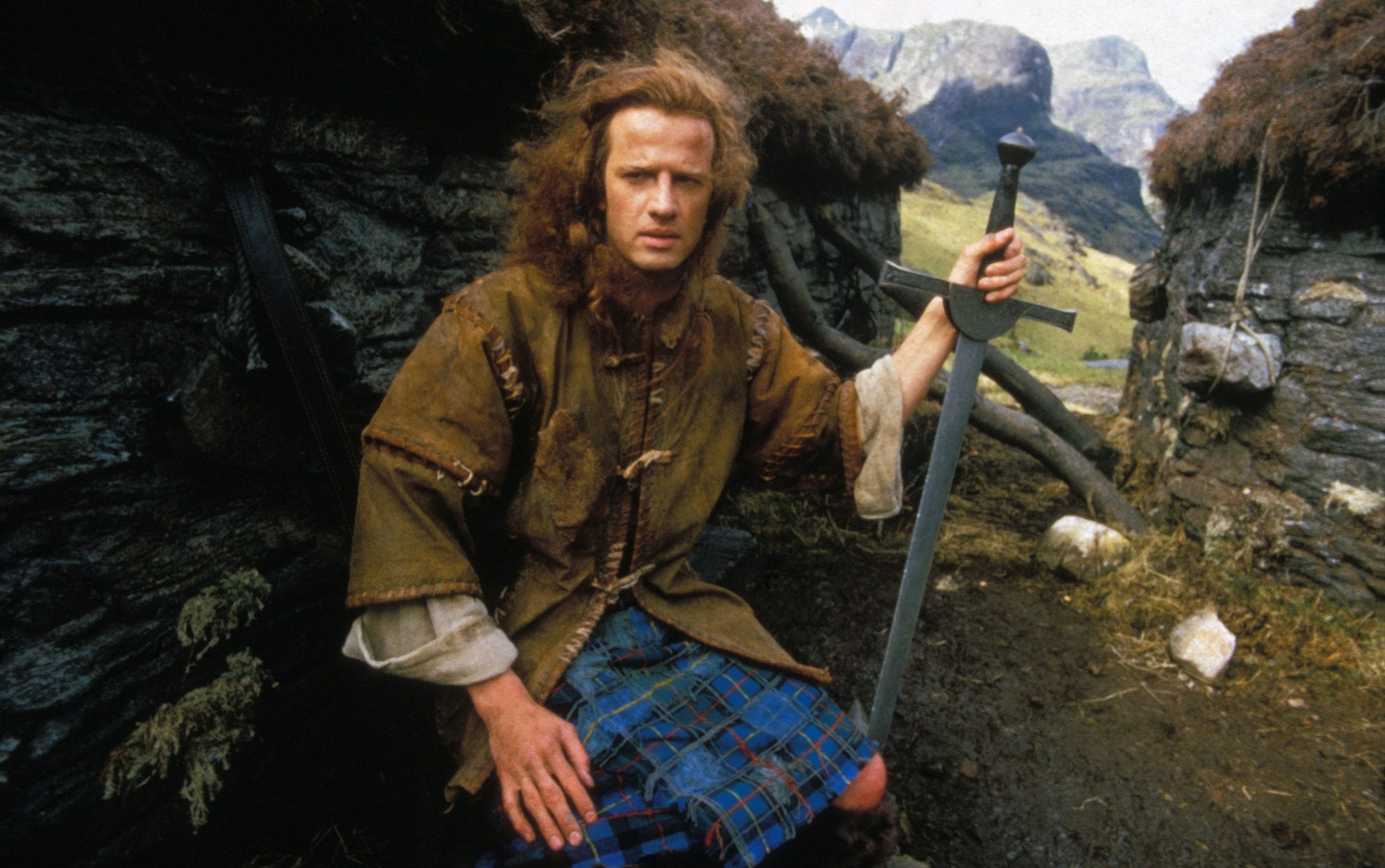
French actor Christopher Lambert played Scotsman Connor MacLeod in the 1986 fantasy film - Georges De Keerle
In the spring of 1985, on a sound stage at Jacob Street Studios in Bermondsey, a young actor named Alex King knelt on the floor, closed his eyes and let a 7ft villain take off his head. He was smiling as the blade came down.
It was the climax of an ambitious fight sequence for Highlander, director Russell Mulcahy’s 1986 action-fantasy starring French-American actor Christopher Lambert as Connor MacLeod, an immortal Scottish warrior fighting to save humanity by defeating the Russian Kurgan (Clancy Brown), with help from Sean Connery as his Egyptian mentor. Accents were negotiable, even if the swordplay wasn’t.
Everyone who saw the footage, including the film’s fight choreographer, legendary Olympic fencer-turned-swordmaster Bob Anderson, who doubled for Darth Vader in lightsaber duels, was delighted. Then the sequence was cut from the film entirely, but nobody told King. His name was never mentioned in any promotional materials, as if he’d never existed.
The mystery of the missing immortal – only known as Yung Dol Kim – struck me when I came to write my 2020 book on Highlander. Grainy photos proved the sequence had been filmed, but the footage had supposedly been lost in a fire. None of the filmmakers could recall who played the character. Then, in 2024, a comment on a YouTube video led me to Alex King. “I think they were embarrassed,” he says today of the decision to remove his fight sequence. “How do you tell a guy that you’ve cut him out because his sequence is too good?”
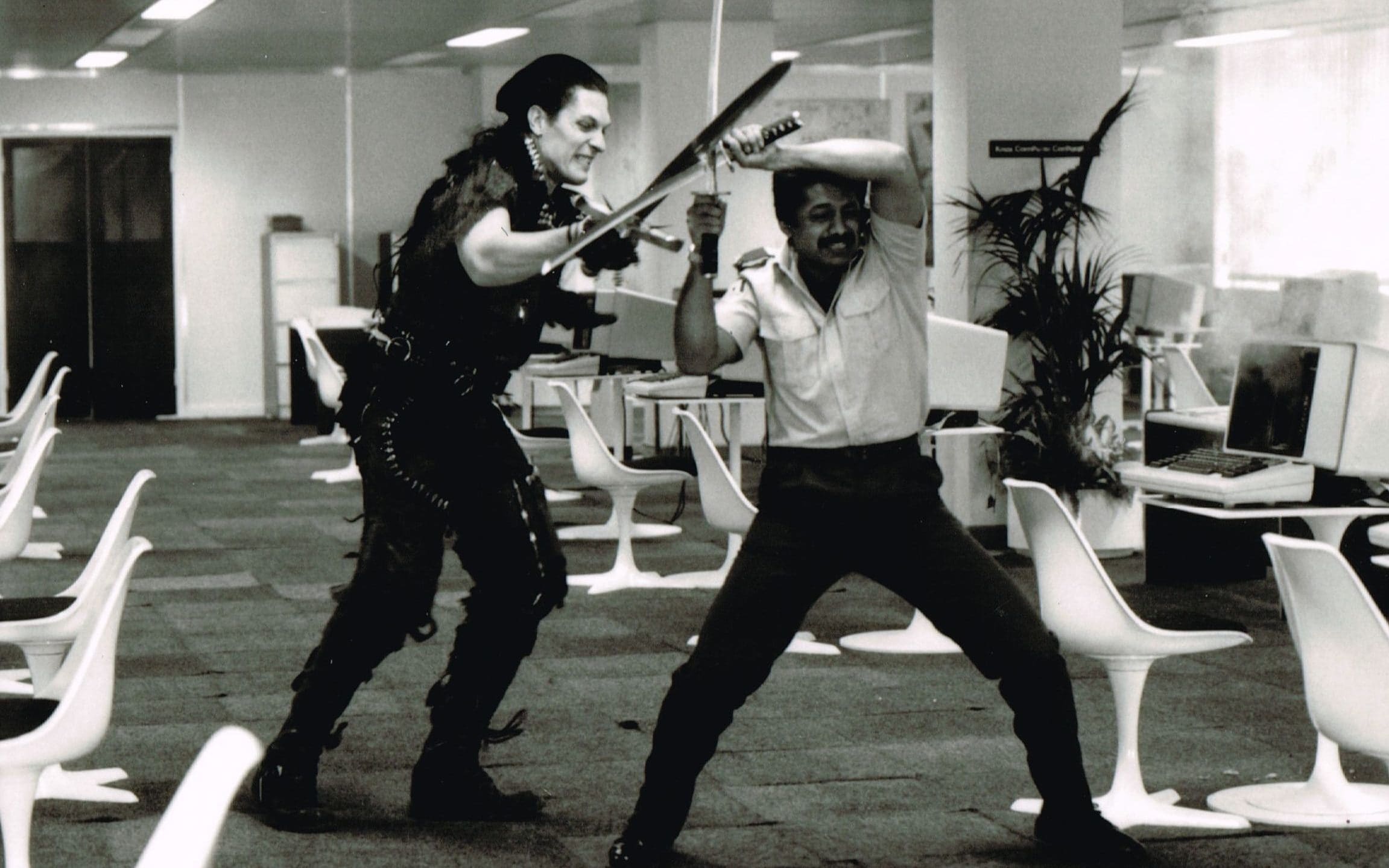
Alex King (right) alongside Clancy Brown in Highlander – King’s scenes were cut from the final film - David James/StudioCanal
Too good is not false modesty. Anderson had warned that the choreography risked overshadowing everything around it, including scenes with Lambert, who was fit and enthusiastic, but, despite being trained by Team GB Olympic fencing coach Ziemek Wojciechowski, was not a fencer. King had taken up judo, karate and fencing in his teens, and by the time he got to drama school, he was already a double black belt and a regional level-4 fencing instructor.
“I asked Bob [Anderson] which school the unit’s stuntmen had fenced at, and he told me they were all proud graduates of ‘the bish-bash-bosh school of fencing’,” says King. At 69, he lives quietly in his London flat – he’s “reclusive” by his own admission – is a teetotal vegetarian, and trains his body and voice daily. Though unfailingly courteous, he’s also refreshingly blunt.
His route to Highlander began far from the film business. He arrived in England aged 10, into a country he remembers as gripped by racial violence. “There was a pastime in Britain called ‘P--i bashing’. Skinheads would cruise around the streets in cars, looking for brown men and women to attack.” His family kept a fire extinguisher in the front room in case someone put lighter fluid through the letterbox and set it alight. On TV, It Ain’t Half Hot Mum served up caricatures, while white actors browned up for leading roles. His parents’ answer was martial arts: karate, judo, fencing, gymnastics. Self-defence became a craft.
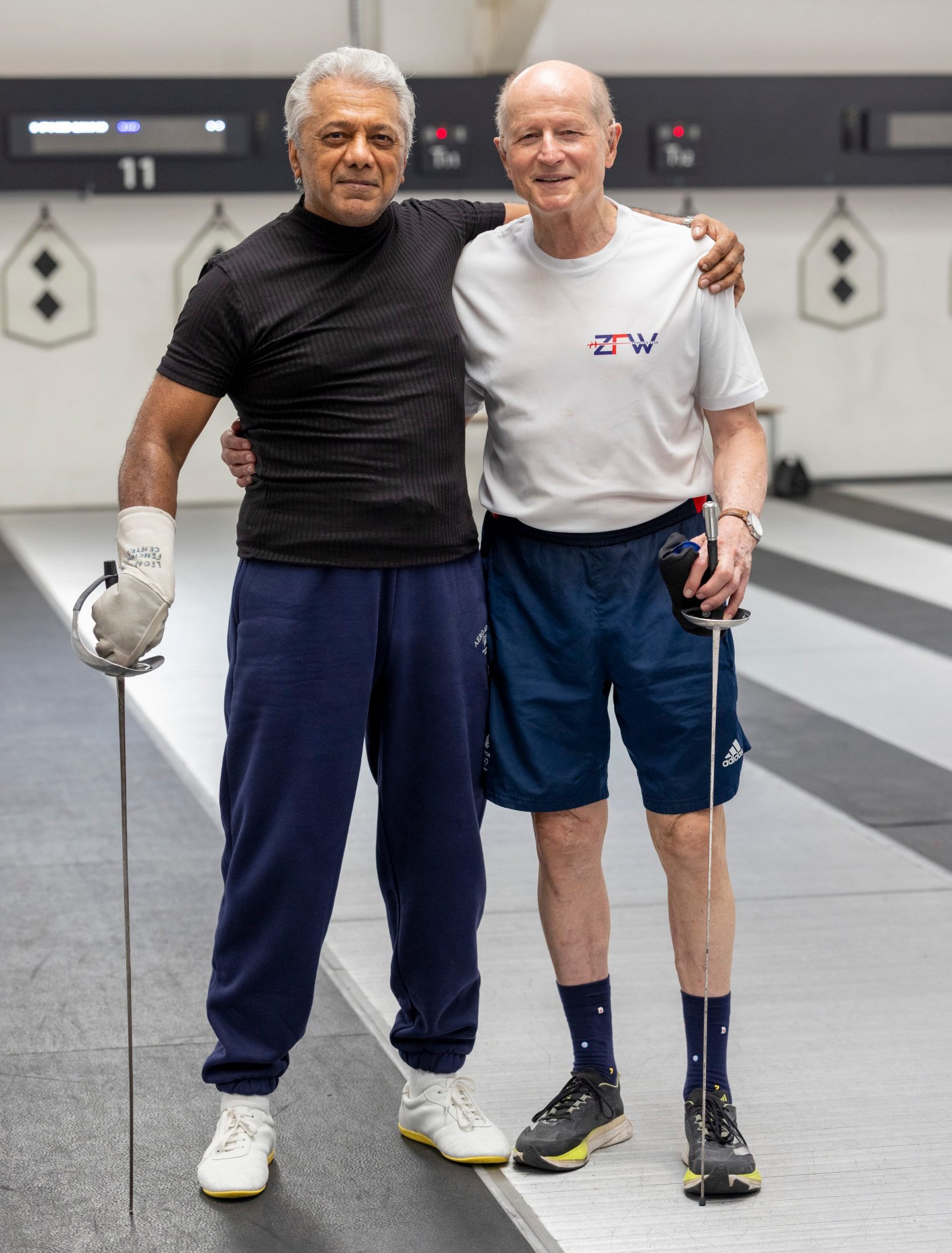
King (left) remains an expert fencer to this day, photographed with Team GB Olympic fencing coach Ziemek Wojciechowski who tutored Christopher Lambert for Highlander - Heathcliff O'Malley/Telegraph
King enrolled at the Royal Central School of Speech and Drama in 1980. He was a mature student who had already served in the Armed Forces. But actors’ union Equity ran a closed shop he describes as discriminatory by design: provisional theatres handed out two membership cards a year, almost always to white actors, claims King. “Unless it was a specified Asian part, you didn’t get a look in.” He earned his at last as the soothsayer in Julius Caesar at Derby Playhouse.
For many years he performed under the name Sumar Khan, dropping it in favour of Alex King after people wrongly assumed he was Muslim rather than Indian, along with the consequential racism that assumption brought. His first film break, on the 1983 Bond pictureOctopussy, came only because stunt director Bob Simmons, Sean Connery’s old double, kept telling him to come back until the director relented.
It was Anderson who brought King to Highlander, recommending him for the role of an immortal weary of eternity. The part had first gone to David Yip, of The Chinese Detective fame, who was signed, fitted for costumes, then departed the production, leaving a security guard’s uniform several sizes too small. “His jacket wouldn’t fit me. I couldn’t even get my arm in his sleeve,” King recalls, which meant working without padding. “I just had to take the bruising.”
Advertisement
At the studio, King and Anderson built a fight unlike anything else in the film. They had him wield two swords against Brown’s single blade, with kicks and acrobatic dives. One move sent him hurtling backwards over a bank of computers, only to dive back into frame, grab both hilts and fight on. The sequence’s most radical element was its ending. Yung Dol Kim doesn’t lose; he simply stops. After centuries, he has had enough and chooses to die, kneeling before the Kurgan. “I wanted to go from an expression of violent combat to the serene face of a man who has, Buddha-like, embraced his death.”
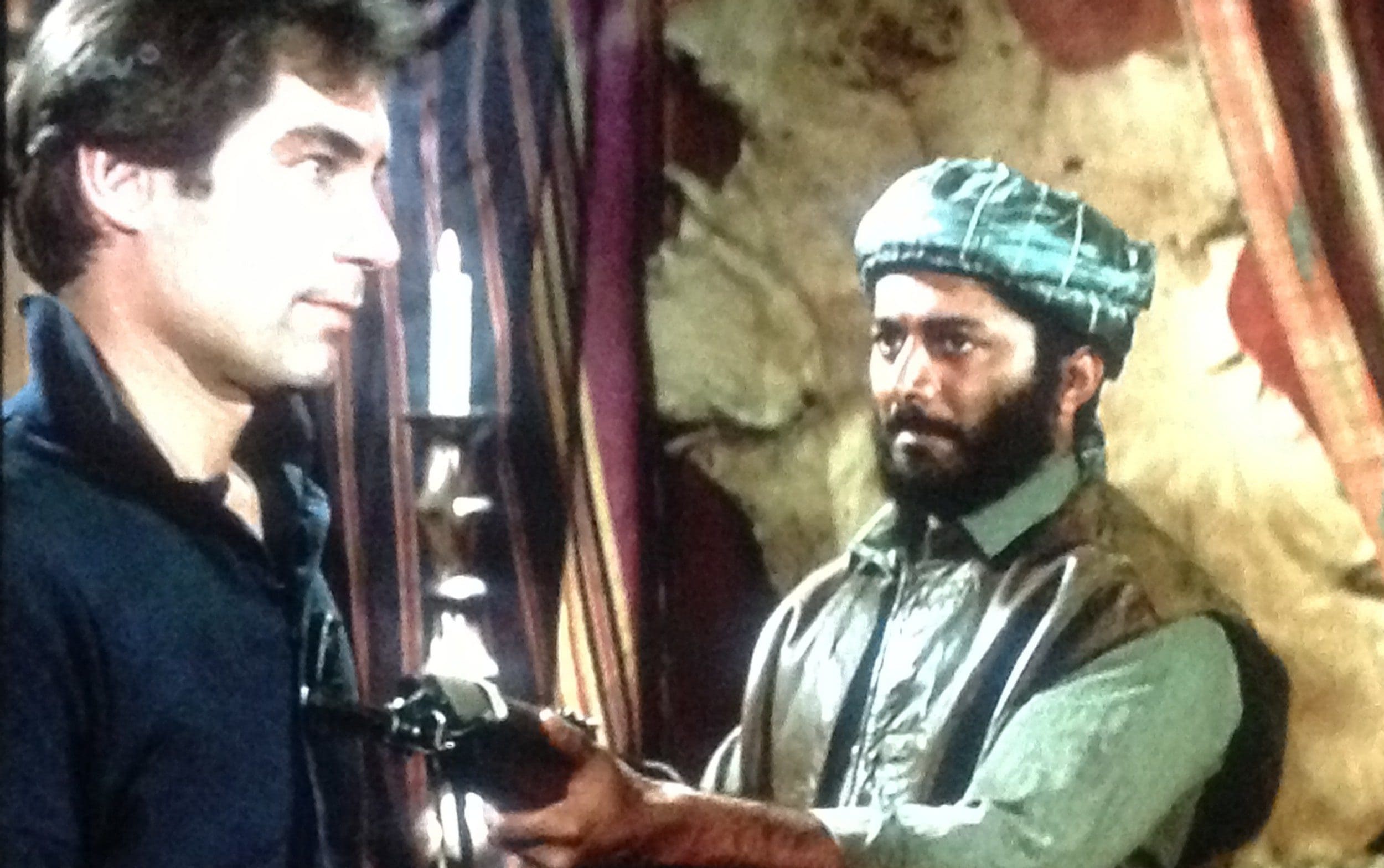
King, then acting under the name Sumar Khan, with Timothy Dalton in 1987’s The Living Daylights
Despite producing a sequence he was proud of, there was no further contact from the Highlander production team. “I never heard from Russell [Mulcahy] or the producers. I didn’t even get an invite to the crew screening.” It was then he realised he’d been cut from the film, though at 28, he felt he was “too young and inexperienced” to complain. Today, he admits he’s “a little p-----d off with it,” adding it was “nothing personal” from the filmmakers.
Nonetheless, he kept working: acting alongside Timothy Dalton in 1987’s The Living Daylights, enjoying a stint on EastEnders, teaching combat at Rada. All the while, he was called a liar whenever he claimed he had been part of the Highlander cast.
Everything changed when King’s wife was killed in a car accident in 1991. “The one thing I loved in my life was gone,” he says. He gave almost all of his possessions away and drove up into the hills above Oxford, feeling the calm acceptance he had brought to Yung Dol Kim as he then tried to end his life. “I don’t think you can truly begin to live until you’ve accepted your eventual death.” He was saved by a German shepherd that raced up to his car, its owner close behind, trying to open the door. He remembers coming round with the dog licking his face, as if to say, “Wake up you fool.”
Today, he always carries dog biscuits with him, and means to leave whatever he has to animal charities. “I hope I can lie on my deathbed cuddling dogs. I hope they lead me over the Rainbow Bridge.”
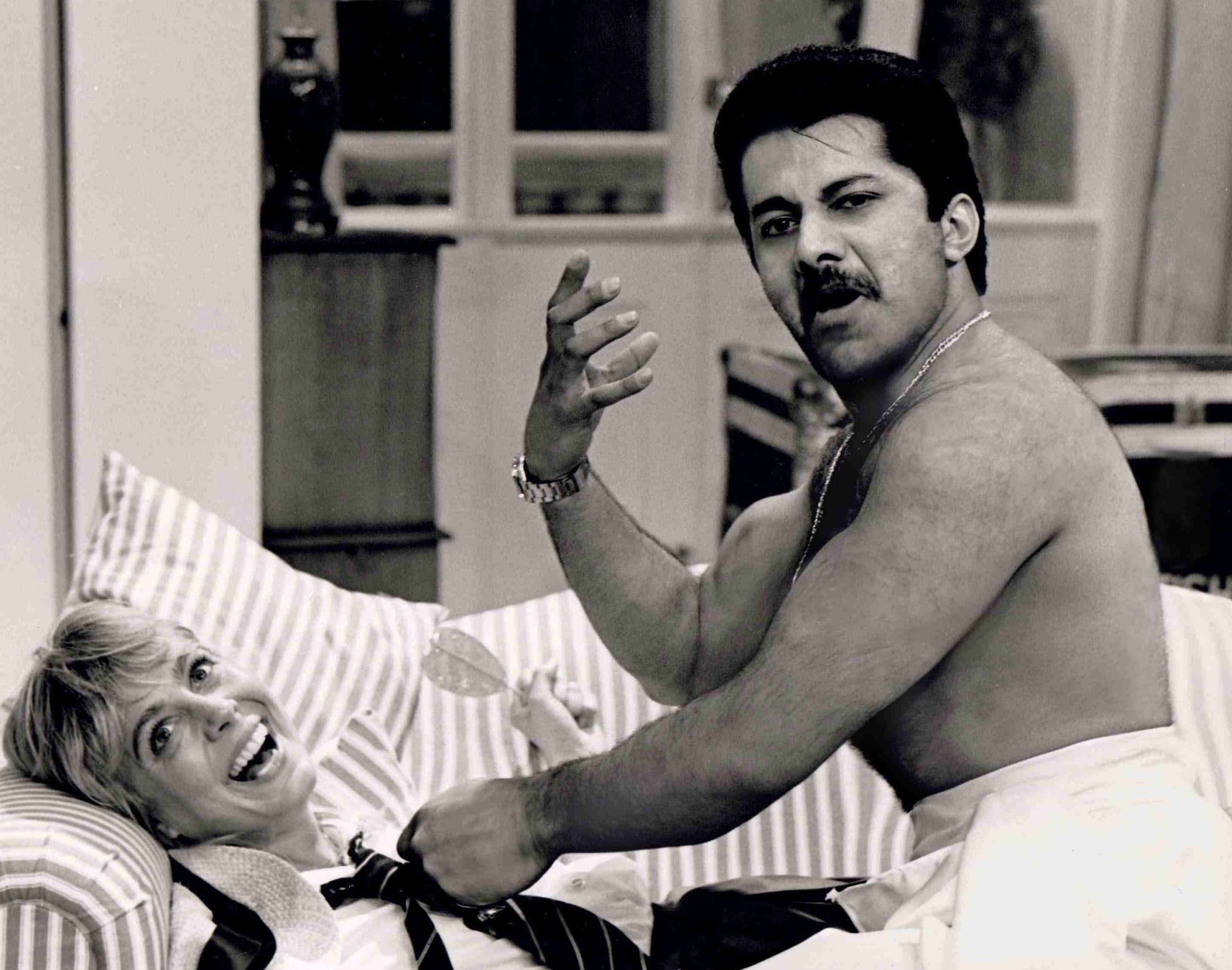
King as the Prince of Odan in the stage comedy, My Wife What’s Her Name circa 1989
It was after this incident that he says he heard his wife chiding him: “I didn’t know you were a coward, Alex. Sometimes it takes more courage to live than to die.”He spent time in the Canadian Rockies, keeping a promise to her to complete his lifelong study of Shakespeare, whose language and verse he would later teach at Hollywood’s Estelle Harman Actors Workshop. While in Canada, he had one more brush with Highlander, when Anderson invited him to the Vancouver set of the TV spin-off starring Adrian Paul as Duncan MacLeod.
Back in the UK, his career stalled. He turned down an invitation to create a sitcom similar to Goodness Gracious Me, supposedly designed to “represent Indians”, after realising that what was required was “little more than racial ridicule disguised as humour. I would have been betraying my Indian community for a little fame and a few pieces of silver.” The breaking point came at an audition for a British soap opera, where he was asked to affect a comic Indian accent. He walked away from the industry. “It was a matter of dignity.”
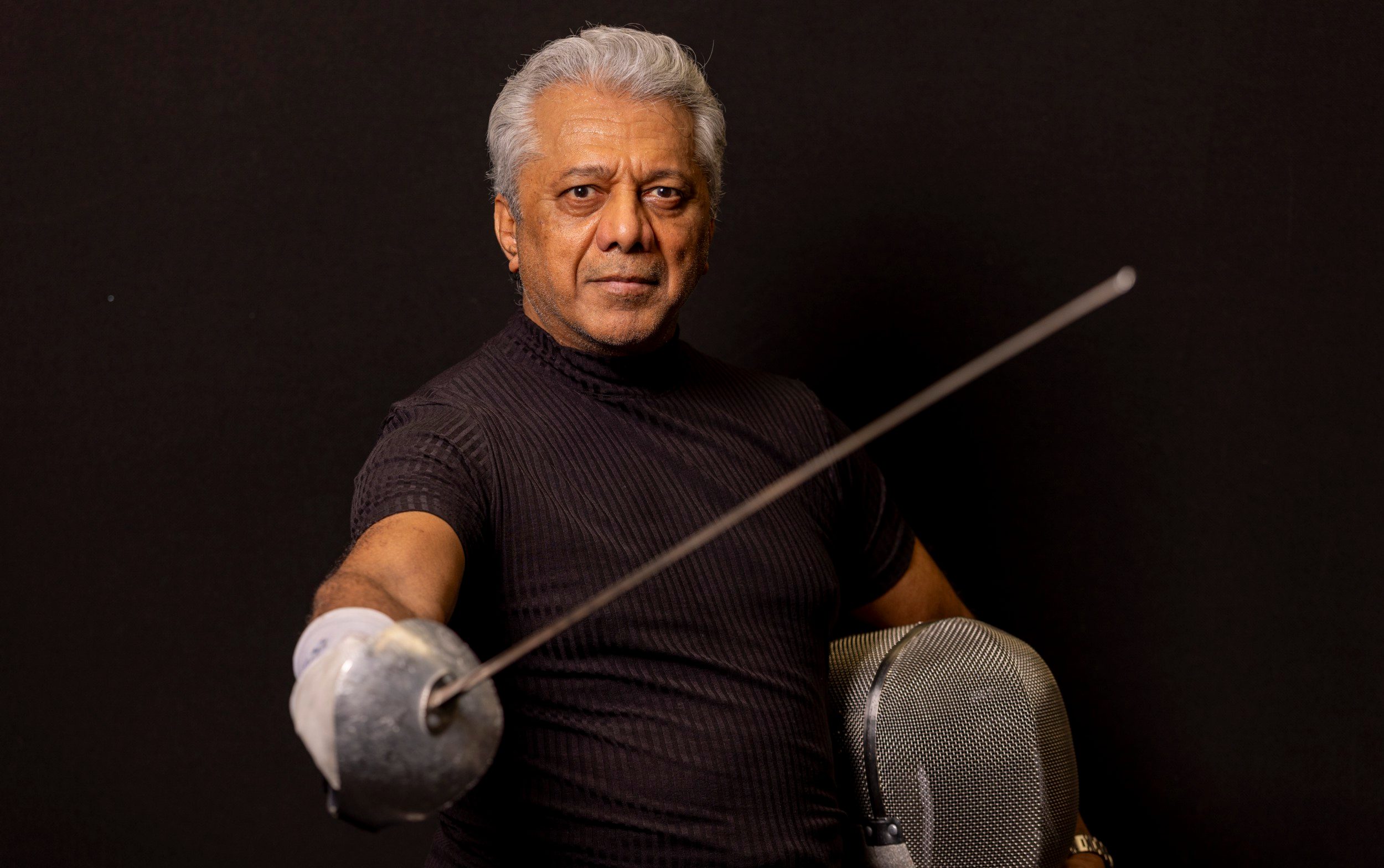
Alex King: ‘Preparing for [Highlander] required me to confront and reconcile myself with my ultimate destruction’ - Heathcliff O'Malley/Telegraph
Highlander turns 40 this year, with a big-screen reboot starring Henry Cavill and Russell Crowe on the way. In addition, I’ve been afforded the chance to retell the story of Highlander in a new book, this time recognising Alex King as a vital part of the story. “Though it was disappointing to lose my fight scene, preparing for the role required me to confront and reconcile myself with my ultimate destruction. For that, I will be eternally grateful to Highlander.”
King admits he’s tempted to return to acting. The industry that shut him out has changed, not as much as he’d like, but enough. He reckons he can still out-fence any stuntman in the country. With any earnings, he’d “love to buy some land in the country and set up an animal sanctuary. Every penny I make will go towards them”. Four decades after he knelt on a sound stage and smiled, Alex King is perhaps not quite finished.
The Art & Making of Highlander by Jonathan Melville is published by Titan Books on September 1
Source: “AOL Entertainment”
