


Mark Rydell, actor-turned-director behind On Golden Pond, who straddled studio and New Hollywood eras
Mark Rydell, actor-turned-director behind On Golden Pond, who straddled studio and New Hollywood eras

Telegraph ObituariesWed, August 19, 2026 at 11:18 AM UTC
0
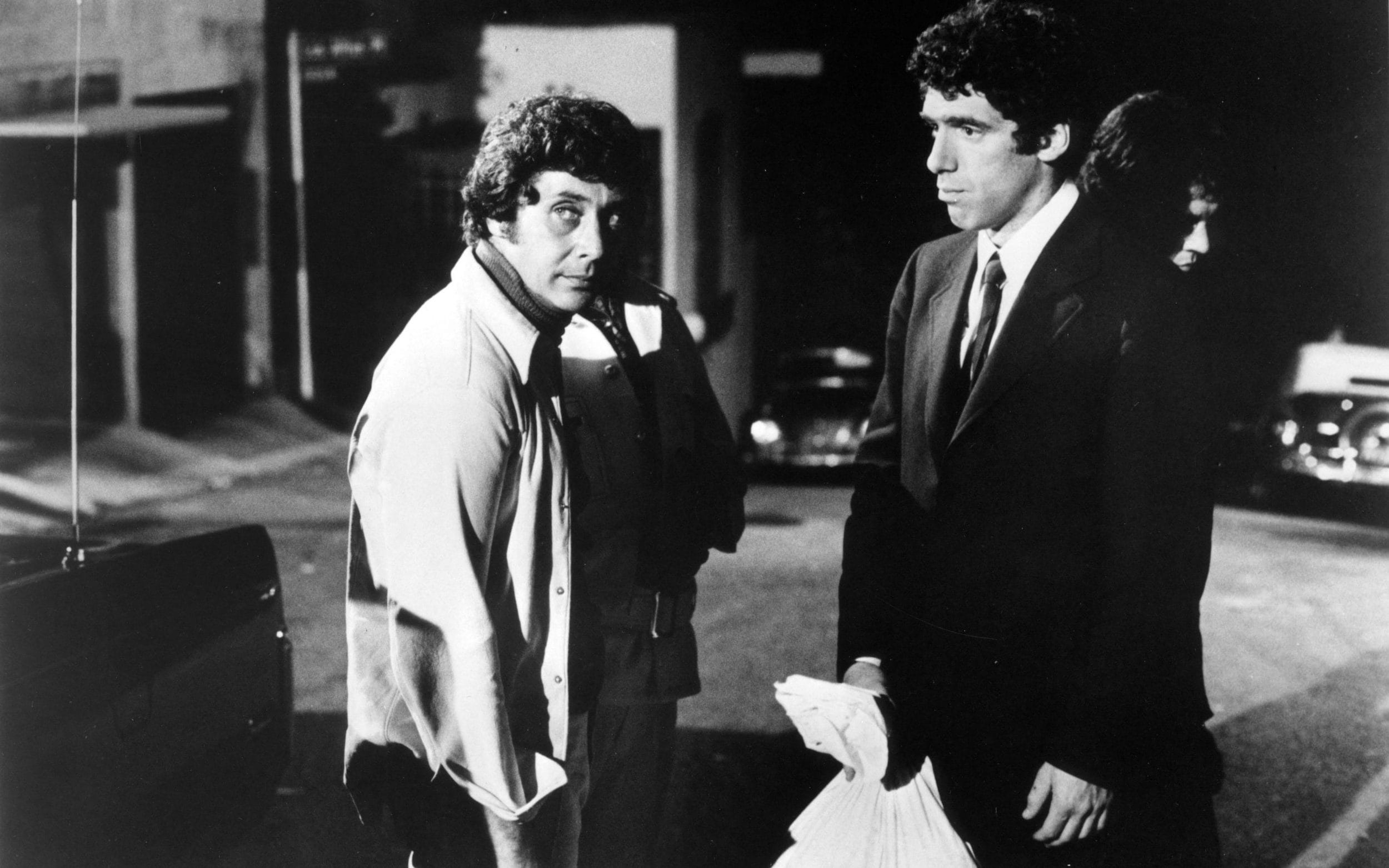
Rydell on set in 1984: his career-long ease with performers derived partly from his own acting experiences - Marka
Mark Rydell, who has died aged 97, was an American actor-turned-director who straddled the divide between the studio era and the New Hollywood that followed, refusing to pick sides. He filmed John Wayne being shot in the back for The Cowboys (1972); in his role as gangster Marty Augustine in Robert Altman’s The Long Goodbye (1973), he was seen to smash a Coke bottle into his girlfriend’s face. It was something of a curveball, then, when Rydell directed On Golden Pond (1981), the genteel romance and fixture of matinee performances that paired Katharine Hepburn with Henry Fonda.
Rydell’s career-long ease with performers derived partly from his own acting experiences, and partly from his apprenticeship as a director-for-hire for American television in the 1960s, where he oversaw episodes of The Virginian (in 1963), I Spy (in 1965), Gunsmoke (1964-66) and The Fugitive (in 1966): “I come from the school of sitting around the table for two weeks examining every detail of the material, working out relationships with the actors, so they know what they are doing, [then] bringing them to locations, so they can get comfortable.”
He made an immediate impact with his feature directorial debut The Fox (1967), which transposed D.H. Lawrence’s Second World War tale to present-day Canada while revelling in the era’s permissiveness. The New York Times’ Renata Adler judged it “quite faithful in spirit to something D.H. Lawrence would not have minded”; Roger Ebert went further, pronouncing the film “a quiet, powerful masterpiece”. Golden Globes voters agreed, nominating Rydell for Best Director.
Oppposite Elliott Gould in The Long Goodbye (1973) - Photo 12 / Alamy Stock Photo
Sprung into the Hollywood big leagues, Rydell re-teamed with Steve McQueen, his co-star in a 1960 episode of Wanted: Dead or Alive (1958-61), for The Reivers (1969), a sentimental adaptation of the Faulkner novel that rustled up Oscar nods for actor Rupert Crosse (the first Black performer to be nominated for Best Supporting Actor) and emergent composer John Williams. (The young Steven Spielberg, then working his own way up in television, was among those taking note of Williams’s name.)
Warner Bros. briefly attached Rydell to The Exorcist (1973), but he was instead reassigned to The Cowboys, pitting him against a different boogeyman: the ever-looming John Wayne. Before filming, Rydell decided to have it out with his firebrand star: “I said ‘How the hell are we going to work together? I hate everything you stand for politically, and you despise my liberal points of view.’ Wayne replied: ‘Well, we’ll just talk about acting.’” For Rydell, “[Wayne] taught me a lesson, an important lesson in my life: not to judge too quickly”.
Despite this bonhomie, The Cowboys underwhelmed – Pauline Kael dubbed it “pious muck” – yet Rydell secured regular studio employment, earning a reputation as a boon for actors. He made the freewheeling Cinderella Liberty (1973) with James Caan and an Oscar-nominated Marsha Mason; the patchy post-Sting caper Harry and Walter Go to New York (1976), starring Caan, Elliott Gould, Michael Caine and Diane Keaton; and The Rose (1978), a full-throttle rock musical toplined by an electrifying (and, again, Oscar-nominated) Bette Midler.
It was On Golden Pond, Ernest Thompson’s adaptation of his own 1978 play, which proved most attuned to Academy voters’ tastes, although for it to succeed Rydell found himself having to address movie royalty with tact and delicacy. Hepburn showed up wearing entirely the wrong costume, in what onlookers determined was a queenly test of her director’s ability to run a tight set; Rydell duly shepherded his venerable leading lady back to wardrobe, and the shoot ran like clockwork.
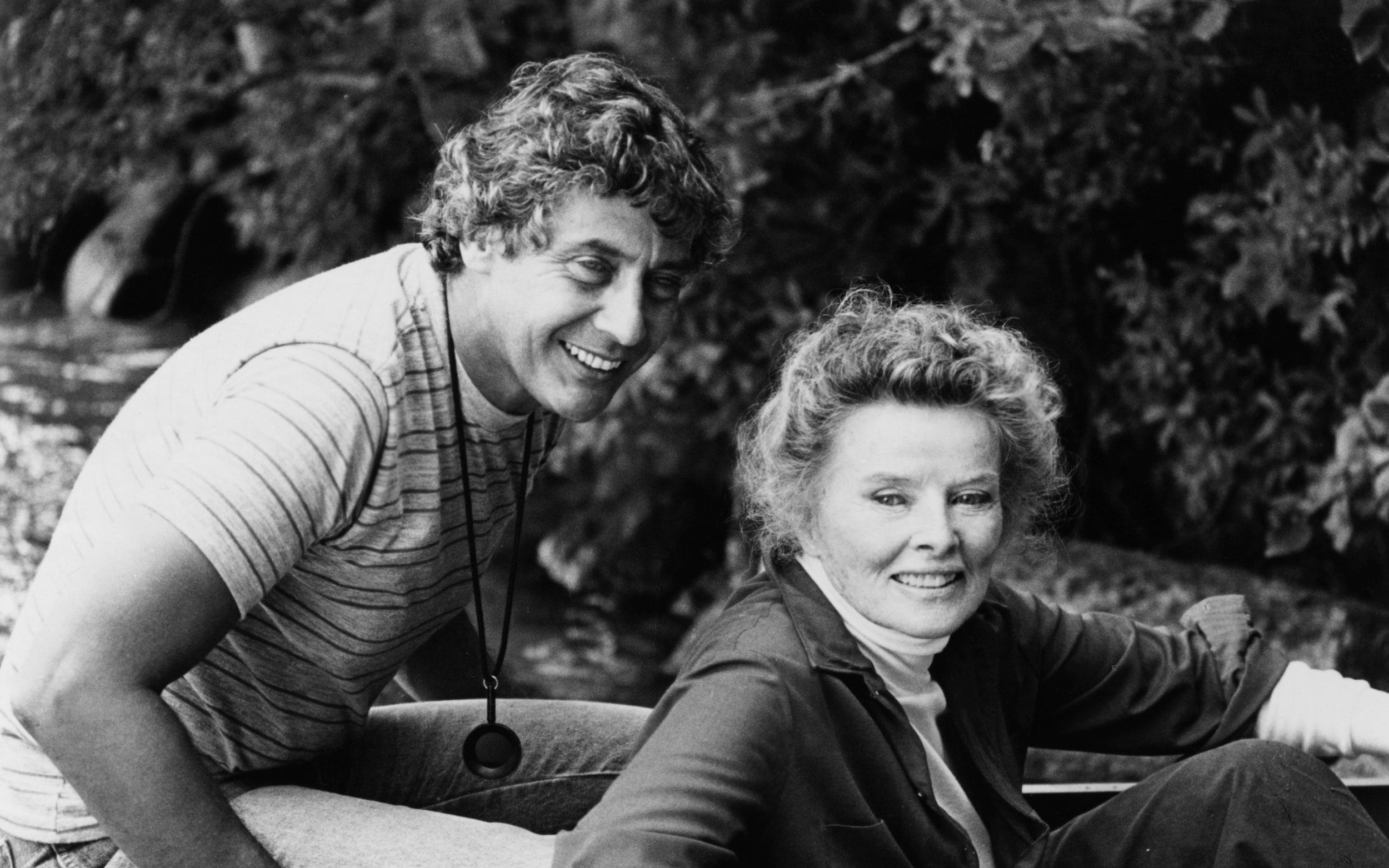
Rydell rehearsing a scene with Katharine Hepburn on the set of On Golden Pond (1981) - John Springer Collection
The results split the critics. Ebert confessed he “left the theatre feeling good and warm, and with a certain resolve to try and mend my own relationships and start listening better”. Kael, representing the naysayers, called it both “a doddery valentine” and “a rather indecently premature memorial service” for its stars. Cinema-goers flocked, however, making the film 1981’s second-biggest hit after Spielberg’s Raiders of the Lost Ark; it was eventually garnished with three Oscars, for Hepburn, Fonda and Thompson’s screenplay.
Rydell was left clutching a full house of Best Director nominations – Oscars, Baftas, Golden Globes – but no trophies to show for it. Still, this inarguably sincere throwback served to indicate that he’d survived the 1970s without succumbing to the negativity of certain contemporaries: “I’m a hopeful person; I’m not a cynic. I believe that cynicism is a cancer for an artist. It’s a way of insulating yourself from experience… If you believe that life [is all] to do with an engagement of issues and personalities that make you young and vital, it’s hard to be anything but hopeful.”
Advertisement
He was born Mortimer Harold Rydell in New York on March 23 1929 to stockbroker Sidney Rydell and wife Evelyn (née Cohn), a talented pianist. Inheriting his mother’s musical gifts, he would study at Julliard, where he found his hopes of becoming a conductor threatened by his peers’ mounting drug habits: “[Given] that I have an addict’s personality, in that a little is good but a lot is better, I knew I was in danger.”
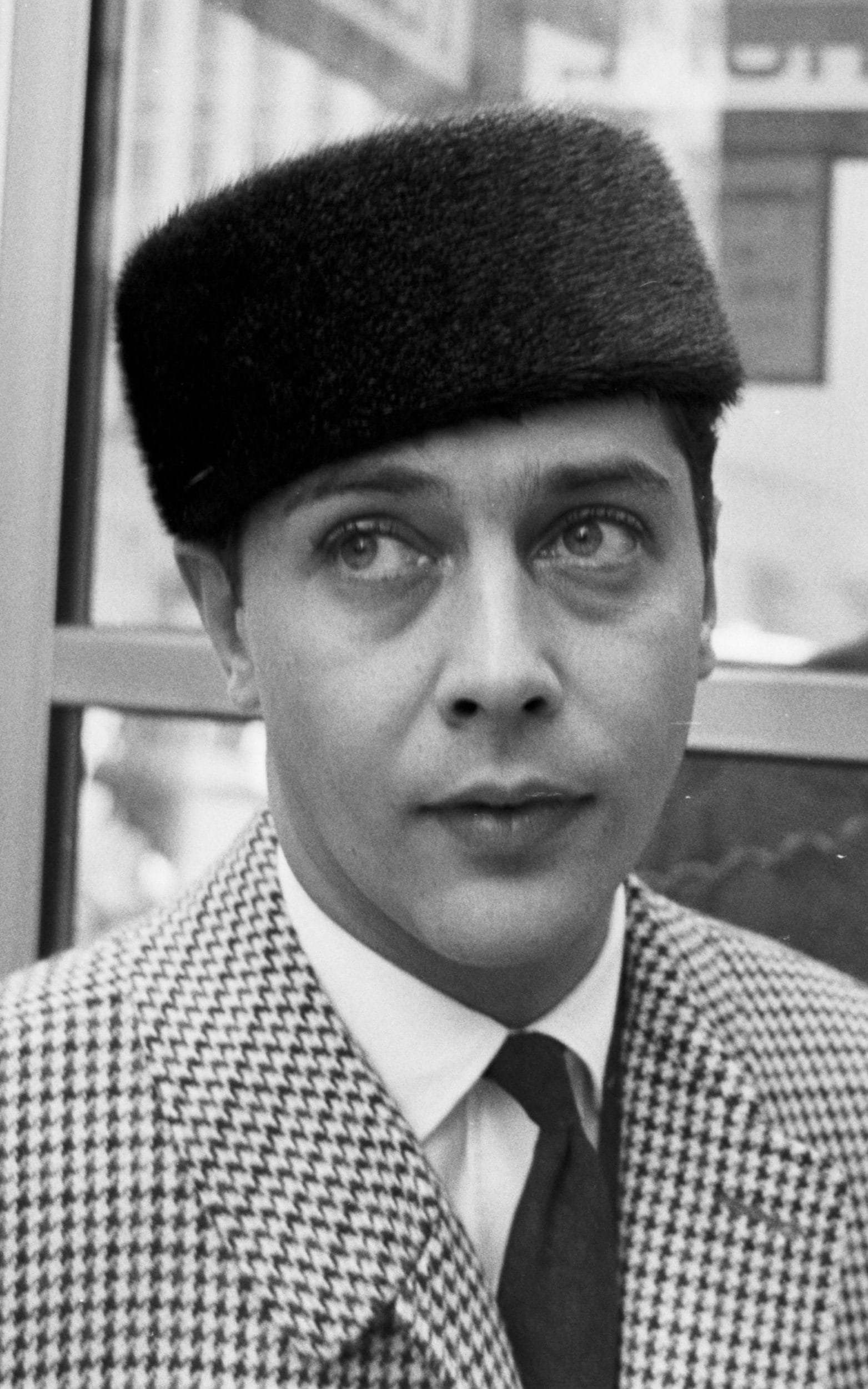
The young Rydell juggled stage and TV roles with a sideline as a jazz pianist - Phillip Harrington / Alamy Stock Photo
Changing course while snappily rechristening himself, Rydell began acting at New York’s Neighborhood Playhouse before joining the Actors Studio, falling in with the young James Dean. He juggled stage and TV roles with a sideline as a jazz pianist, before landing a notable supporting part opposite John Cassavetes in Don Siegel’s juvenile-delinquent melodrama Crime in the Streets (1956) and a recurring spot on the long-running CBS soap As the World Turns (1956-2010).
In the latter’s early years, Rydell’s upright Jeff Baker became a fan favourite; one episode even showcased his piano skills. Upon rejecting a new contract in 1962, his character was killed off in a car crash; retraining as a director, Rydell acted only sporadically thereafter, muscling on as mobster Meyer Lansky in his friend Sydney Pollack’s Havana (1990) and as Woody Allen’s agent in the ill-fated Hollywood Ending (2002).
By then, however, Rydell was far better known for his work behind the camera. Marketed as “from the director of On Golden Pond”, the Mel Gibson-Sissy Spacek farming drama The River (1984) endured iffy reviews to reap four more Oscar nominations; the wartime flag-waver For the Boys (1991) enjoyed modest multiplex success, despite thunderous on-set disharmony between its lead actors, Bette Midler and James Caan.
After Intersection (1994), a glossy love-triangle romance, nosedived at the box office, Rydell segued to cable TV, with renewed success. His HBO film Crime of the Century (1996) nobly dramatised Ludovic Kennedy’s non-fiction account of the Lindbergh baby kidnapping. The biopic James Dean (2001), meanwhile, helped propel a young James Franco’s career (Rydell also appeared as studio chief Jack Warner.)
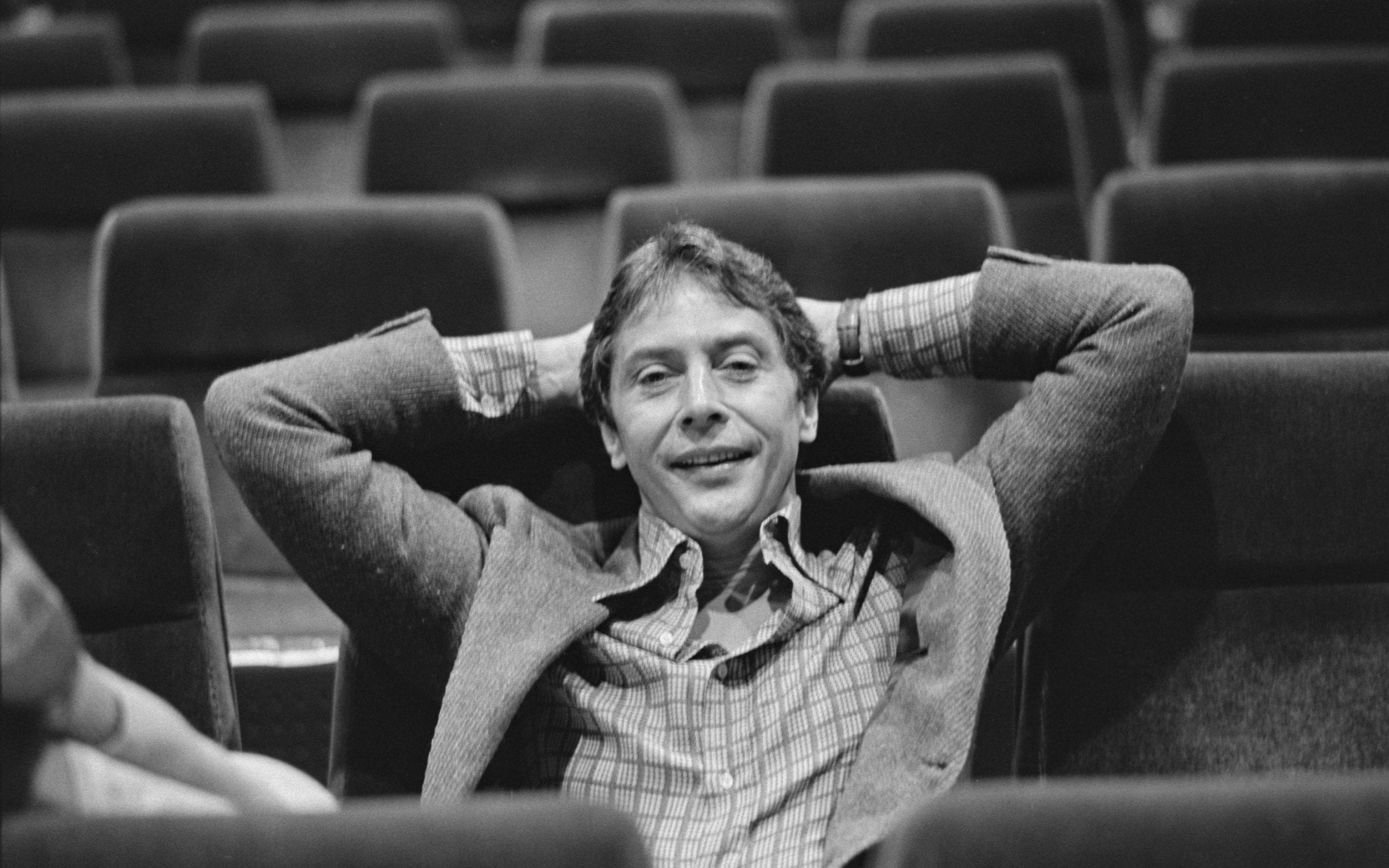
Rydell in 1975: ‘all the pictures I made, I don’t think I could get them made today’ - Archive Photos
His final theatrical release was the poorly received addiction drama Easy Money (2006), but he signed off where he began, on TV, directing “A Clean Escape”, the premiere of Showtime’s anthology series Masters of Science Fiction (2007). His final acting appearance was in the streaming-bound mockumentary Senior Entourage (2021), opposite fellow veterans Ed Asner and Marion Ross.
In recent decades, Rydell taught at the Actors Studio, eventually becoming director of Actors Studio West, from which vantage he reflected on what American movies had become: “All the pictures I made, I don’t think I could get them made today. The market is so different; they’re not interested in substantial, human dramas. That’s what attracted me to become a director in the first place: the dramatic interaction between people.”
He married twice, to Joanne Linville and Esther Jacobs; both marriages ended in divorce. He is survived by three children, actors Amy and Christopher Rydell by Linville and the filmmaker Alexander Rydell by Jacobs.
Mark Rydell, born March 23, 1929, died August 13, 2026
Source: “AOL Entertainment”
